
Dwarka Expressway - Transforming Real Estate in Delhi NCR
20 April 2026
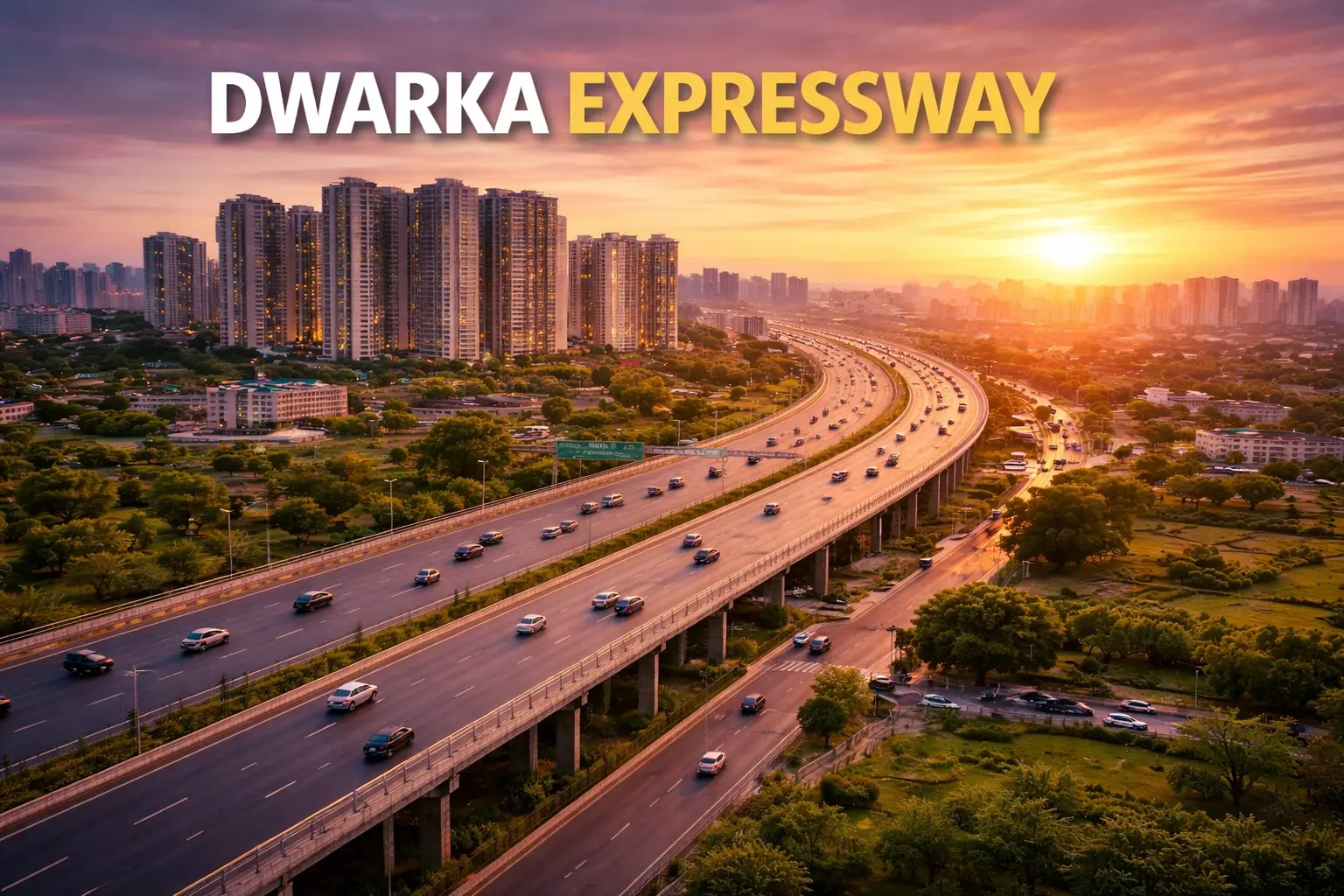
The real estate landscape of Delhi NCR has undergone a dramatic transformation over the past few years, but nothing has influenced it as profoundly as the rise of the Dwarka Expressway. Once considered a developing corridor, this 29-kilometre stretch—also known as the Northern Peripheral Road—has now emerged as one of the most powerful growth engines of the region.
In 2026, Dwarka Expressway is no longer just an infrastructure project—it is a real estate phenomenon, reshaping investment patterns, buyer preferences, and urban development across Delhi NCR.
The Rise of Infrastructure-Led Real Estate Growth
Modern real estate markets are no longer driven solely by location—they are driven by infrastructure. In fact, 2026 has clearly established a new trend: “Infrastructure corridors are the new real estate hotspots.”
Dwarka Expressway perfectly fits this model. It connects Delhi, Gurugram, NH-48, and Indira Gandhi International Airport, significantly reducing travel time and improving accessibility.
This seamless connectivity has transformed the region into a strategic urban corridor, attracting both developers and buyers at an unprecedented pace.
Massive Price Appreciation: A Clear Indicator of Transformation
One of the most compelling indicators of transformation is the sharp rise in property prices along the Dwarka Expressway.
- Property prices have increased over 3.5 times in the last five years, from around ₹6,300/sq. ft. in 2020 to ₹21,700–₹24,000/sq. ft. in 2025.
- In some pockets, prices have nearly doubled between 2020 and 2024.
- The corridor has witnessed up to 98% appreciation in just four years.
This kind of growth is not speculative—it is backed by real infrastructure development, increasing demand, and rapid urbanization.
Even more importantly, experts predict an additional 15–20% growth in the near term, indicating that the growth story is far from over.
From Peripheral Zone to Prime Investment Hub
Just a few years ago, Dwarka Expressway was considered a peripheral location. Today, it is being compared to Gurugram’s iconic Golf Course Road—an area that once saw similar growth before becoming a premium residential hub.
So, what changed?
- Completion of Key Infrastructure
The operationalization of the expressway, along with projects like Urban Extension Road (UER-II) and upcoming metro connectivity, has drastically improved liveability and accessibility.
2. Proximity to Key Landmarks
- IGI Airport
- Diplomatic Enclave
- India International Convention Centre (IICC)
These factors have added immense value to the location, making it attractive for both end-users and investors.
Shift in Buyer Preferences: From Affordable to Aspirational Living
Another major transformation driven by Dwarka Expressway is the shift in buyer behaviour.
Today’s homebuyers are no longer just looking for affordability—they are looking for lifestyle, connectivity, and long-term value.
The expressway corridor has seen a surge in:
- Luxury and premium housing projects
- Integrated townships
- Smart and sustainable developments
Modern projects offer amenities like:
- Clubhouses
- Landscaped greens
- Fitness zones
- Retail and social infrastructure
This aligns perfectly with the aspirations of today’s urban buyers, especially working professionals and HNIs.
The Emergence of a New Micro-Market
Dwarka Expressway is not just growing—it is creating an entirely new micro-market within NCR.
According to recent market data:
- Gurugram accounts for over 50% of housing activity in NCR, with Dwarka Expressway being a major contributor.
- The corridor has become a key launch hub for new residential projects, especially in mid and premium segments.
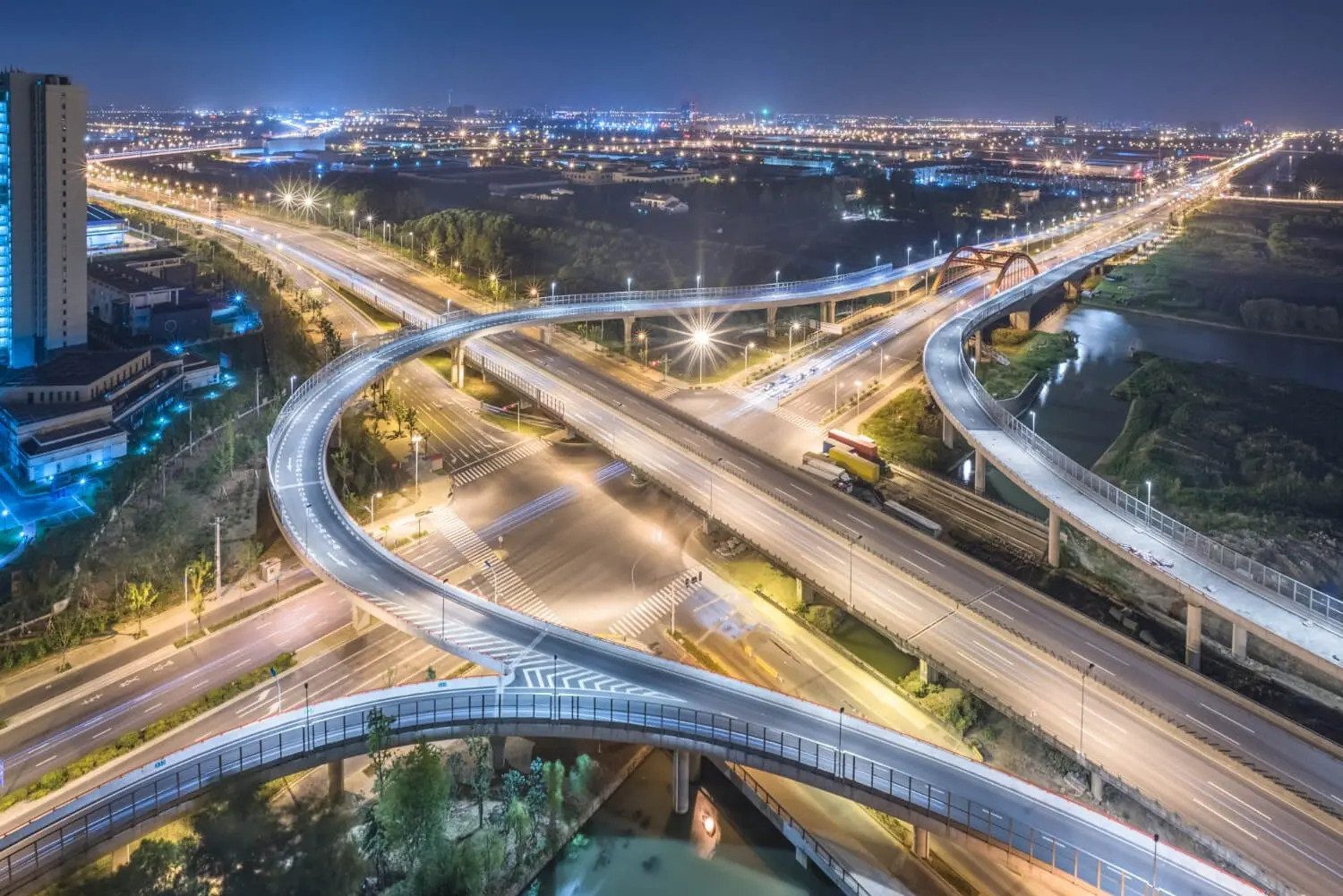
This shift indicates a clear movement of real estate activity from saturated areas to planned, infrastructure-rich corridors.
Commercial Growth and Employment Opportunities
The transformation is not limited to residential real estate. Dwarka Expressway is also witnessing rapid commercial development.
- Increasing demand for office spaces and retail hubs
- Growth in co-working and business districts
- Rising rental demand from professionals
This is creating a self-sustained ecosystem, where people can live, work, and socialize within the same region.
Such integrated development significantly boosts property values and long-term returns.
Rental Yield and Investment Potential
For investors, Dwarka Expressway offers a compelling proposition:
- Rental yields are expected to reach 3.5–4.5% in the near term.
- Strong demand ensures low vacancy rates
- Continuous infrastructure upgrades promise long-term appreciation
Additionally, proximity to employment hubs in Gurugram makes it highly attractive for tenants, especially professionals working in corporate sectors.
Impact of Policy and Market Trends in 2026
The transformation of Dwarka Expressway is also aligned with broader market trends:
- Rising Circle Rates
Recent increases in circle rates in Gurugram—up to 75% in some areas—reflect the growing demand and valuation of real estate, including Dwarka Expressway zones.
- Supply-Demand Dynamics
- High absorption rates of residential units
- Continuous launch of new projects
- Limited premium inventory
This imbalance is pushing prices upward, further strengthening the corridor’s investment appeal.
The Role of Connectivity in Value Creation
Connectivity remains the biggest driving force behind Dwarka Expressway’s success.
Key advantages include:
- Direct access to Delhi and Gurugram
- Faster connectivity to the airport
- Seamless integration with national highways
- Upcoming metro expansion
This connectivity has reduced commute time significantly, making it a preferred choice for working professionals.
Why Dwarka Expressway is Called NCR’s “Future Growth Corridor”
Dwarka Expressway is often referred to as NCR’s future growth corridor—and for good reason.
- Planned Development
Unlike older parts of NCR, this region offers:
- Wider roads
- Better zoning
- Modern infrastructure
- High ROI Potential
With property prices already rising and more infrastructure in the pipeline, the corridor promises strong returns.
- Early-to-Mid Stage Growth Opportunity
While prices have increased, the market is still in a growth phase, offering opportunities for investors to enter before saturation.
Challenges to Consider
While the growth story is strong, buyers should also be aware of certain challenges:
- Some sectors are still developing
- Infrastructure completion timelines can vary
- Price escalation may impact affordability
However, these are typical of any rapidly growing micro-market and are often outweighed by long-term benefits.
Future Outlook: What Lies Ahead?
The future of Dwarka Expressway looks extremely promising.
Experts predict:
- Continued price appreciation over the next 5–10 years
- Expansion of metro connectivity
- Growth in commercial and retail infrastructure
- Increasing demand for luxury and premium housing
With NCR evolving into a global urban hub, Dwarka Expressway is set to play a central role in this transformation.
Conclusion
Dwarka Expressway has redefined the real estate dynamics of Delhi NCR. From a developing stretch to a thriving urban corridor, it has become a symbol of infrastructure-led growth, modern living, and high investment potential.
Its impact goes beyond property prices—it is shaping how people live, invest, and envision urban life in NCR.
For homebuyers, it offers lifestyle and connectivity.
For investors, it offers growth and returns.
For the real estate market, it represents the future.
In 2026 and beyond, Dwarka Expressway is not just transforming real estate—it is setting new benchmarks for urban development in India.